



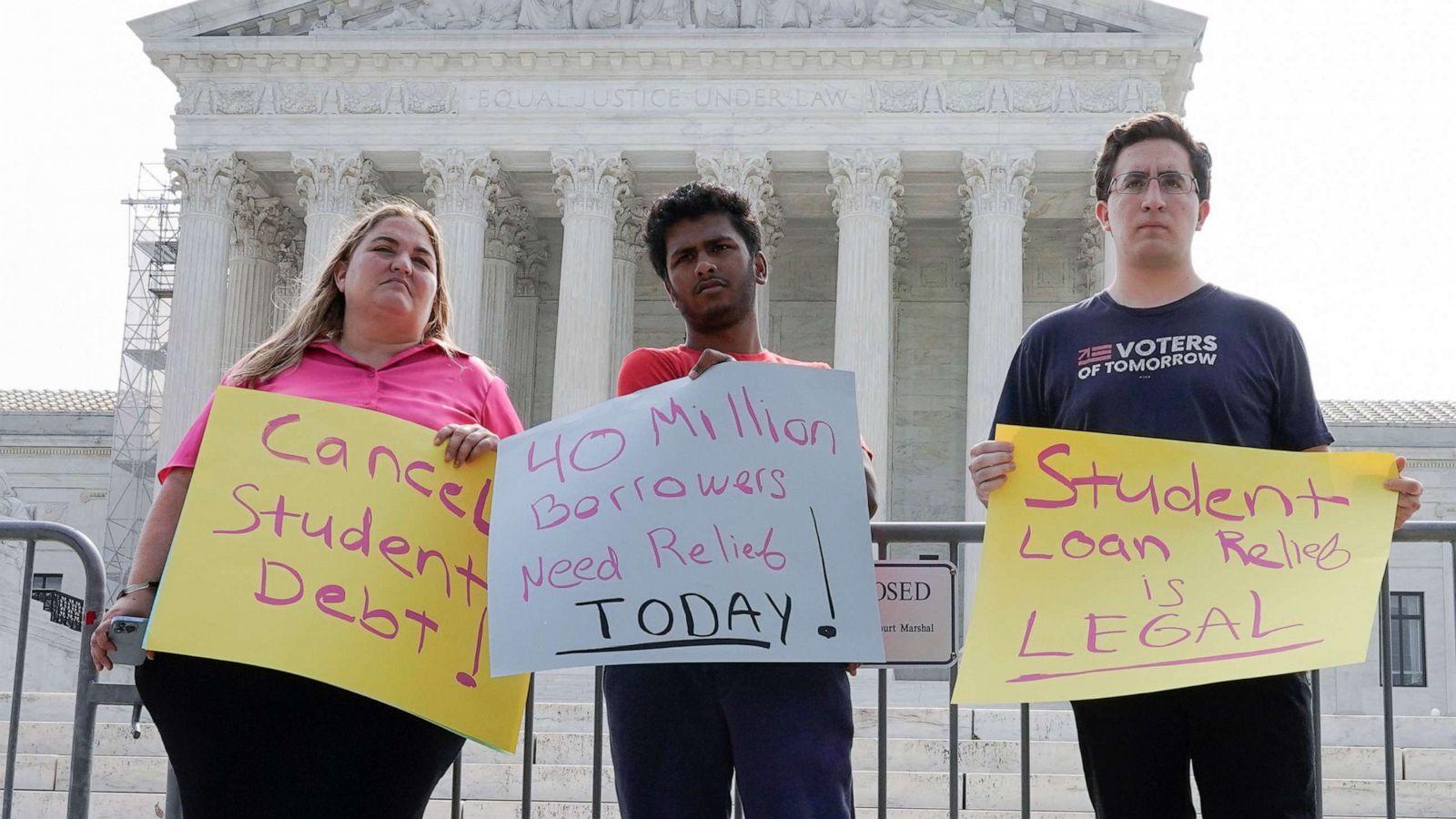
The U.S. House GOP recently introduced a comprehensive student loan overhaul bill aimed at reshaping federal student debt policies. As the legislation sparks debate across the political spectrum, understanding its key provisions, potential impacts, and the reactions from various stakeholders is crucial. This article breaks down what you need to know about the House Republicans’ proposal, offering a clear overview of the changes it seeks to implement and the implications for borrowers nationwide.
Overview of the U.S. House GOP’s Student Loan Overhaul Bill and Its Key Provisions
The legislation proposed by House Republicans aims to fundamentally reshape the student loan system with a focus on reducing overall federal spending and promoting borrower responsibility. Central to the bill is a restructuring of repayment plans, which would replace the current income-driven options with streamlined, fixed-term plans. This shift is intended to simplify the repayment process but has raised concerns about potential increases in monthly payments for many borrowers.
- Repayment Terms: Caps on repayment timelines set at 10 or 15 years depending on loan type
- Interest Policies: Elimination of interest subsidies during deferment periods
- Forgiveness Programs: Tightened eligibility criteria for Public Service Loan Forgiveness (PSLF) and other cancellation options
- Loan Origination: Reinstatement of direct lending restrictions aimed at reducing new federal loans
- Funding Adjustments: Reductions in overall grant aid to offset federal loan program costs
| Category | Current Policy | GOP Proposal |
|---|---|---|
| Repayment Period | Up to 20-25 years (income-driven) | 10-15 years fixed term |
| Interest Subsidies | Included during deferment | Removed entirely |
| Loan Forgiveness | Broad eligibility, including PSLF | Restricted and more limited |
Analysis of Potential Impacts on Borrowers and the Higher Education Landscape
The proposed overhaul by the U.S. House GOP carries significant implications for millions of student borrowers. Key changes seek to tighten eligibility for loan forgiveness, potentially reducing the pool of beneficiaries while prioritizing repayment through income-driven plans. Borrowers with existing loans might face higher monthly payments if income thresholds are lowered, leading to increased financial stress for many families. However, advocates argue that reforms could introduce greater fiscal responsibility and encourage borrowers to carefully assess the value of their educational investments.
Impact on higher education institutions is expected to be profound as well, with many schools possibly experiencing shifts in enrollment patterns. The bill’s proposed restrictions on federal aid could disproportionately affect institutions serving lower-income and minority students. Additionally, colleges may need to enhance transparency regarding tuition costs and graduate outcomes to remain competitive in a changing financial aid landscape. Key anticipated effects include:
- Reduced federal funding for for-profit colleges and non-compliant institutions
- Increased pressure on universities to justify tuition hikes amid affordability concerns
- Potential rise in short-term vocational program popularity as students seek lower-cost alternatives
| Aspect | Positive Impact | Negative Impact |
|---|---|---|
| Borrower Repayment | Streamlined forgiveness process | Higher monthly payments for some |
| Institutional Funding | Focus on accountable education | Funding cuts for less compliant schools |
| Student Enrollment | Growth in alternative credential programs | Potential drop in traditional college attendance |
Critiques and Support From Policymakers and Advocacy Groups
Reactions from policymakers reflect a deep divide over the proposed student loan overhaul. Republican lawmakers largely champion the bill as a necessary step to curb soaring federal debt and impose fiscal discipline on the student loan system. They argue that by tightening eligibility and restricting benefits, the legislation encourages personal financial responsibility while safeguarding taxpayers from ballooning costs.
Conversely, many advocacy groups and Democratic officials caution that the bill disproportionately hurts low-income and minority borrowers, potentially exacerbating educational and economic inequalities. Organizations like the Student Debt Crisis Coalition emphasize that the rollback of income-driven repayment plans and loan forgiveness opportunities could stall progress toward economic mobility.
- Supporters highlight potential budget savings of up to $300 billion over ten years
- Critics warn of increased default rates and restricted access to higher education
- Negotiations remain fluid amid competing priorities on Capitol Hill
| Stakeholder | Position | Key Concern |
|---|---|---|
| House GOP | Support | Reduce costs, promote responsibility |
| Democratic Lawmakers | Oppose | Protect borrowers, prevent inequality |
| Advocacy Groups | Mixed to Oppose | Impact on vulnerable populations |
Practical Advice for Students and Borrowers Navigating the Proposed Changes
Students and borrowers should prioritize staying informed about the evolving legislation by regularly consulting official government resources and credible news outlets. Understanding specific elements of the bill—such as eligibility for loan forgiveness, repayment caps, and changes to interest rates—can help individuals better plan their finances. Key steps include:
- Reviewing current loan balances and payment statuses to anticipate adjustments
- Reaching out to loan servicers for personalized guidance on how changes might apply
- Keeping thorough records of all payments and communications with lenders
- Exploring alternative payment options or refinancing possibilities in light of the new rules
Evaluating personal financial situations against the bill’s provisions is essential for making informed decisions. Below is a concise overview comparing existing loan terms with proposed GOP modifications, designed to assist borrowers in gauging potential impacts:
| Aspect | Current Terms | Proposed Changes |
|---|---|---|
| Loan Forgiveness | Up to $20,000 after 20 years | Limited forgiveness, mostly for disability or death cases |
| Repayment Cap | 10–15% of discretionary income | 5% flat rate for all borrowers |
| Interest Rates | Variable, based on loan type | Lower, fixed rates proposed |
Key Takeaways
As the U.S. House GOP continues to push forward its student loan overhaul bill, stakeholders from borrowers to educational institutions are closely watching the potential impact of these proposed changes. While proponents argue the bill aims to streamline repayment and reduce government spending, critics warn of possible challenges for vulnerable borrowers. With debates set to intensify in the coming weeks, the fate of this legislation will play a crucial role in shaping the future of federal student loans and higher education financing in the United States. Stay tuned for further updates as the situation develops.