





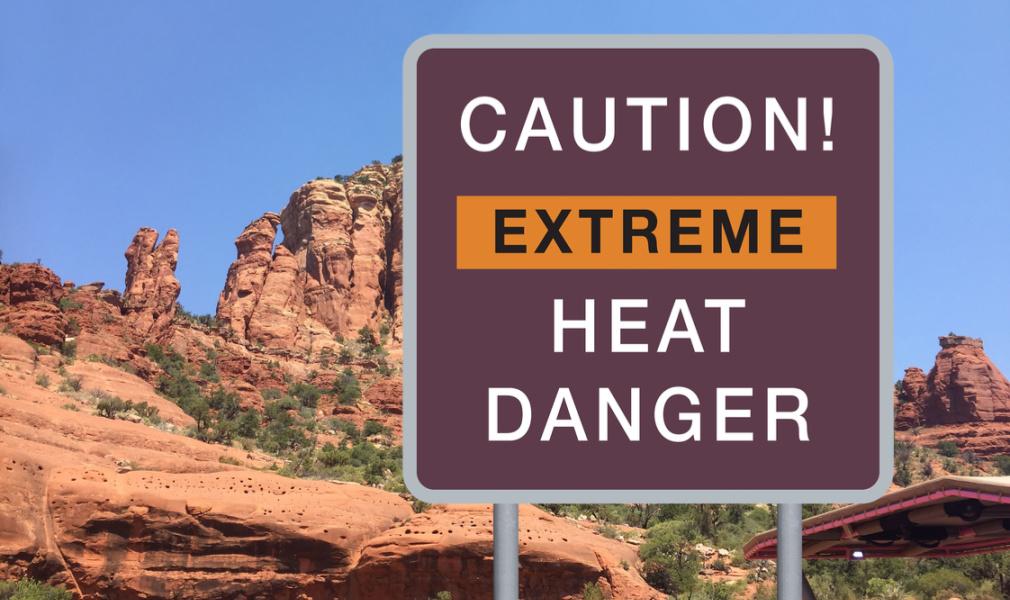
More than 400 people are suspected to have died from extreme heat in a single county in Arizona, highlighting a growing public health crisis as record temperatures scorch the region. Authorities have linked the unprecedented number of fatalities to prolonged exposure to oppressive heat, underscoring the deadly impact of climate change and the urgent need for effective cooling and emergency response measures. This developing story sheds light on the challenges faced by vulnerable populations amid intensifying heatwaves in the American Southwest.
Heatwave Triggers Unprecedented Death Toll in Arizona County
Over 400 deaths have been linked to the recent extreme heat wave that has swept through Maricopa County, Arizona, marking one of the deadliest climate events in the region’s history. Emergency services reported a surge in heat-related emergencies as temperatures soared above 115°F for consecutive days. Vulnerable populations, including the elderly and those without access to proper cooling systems, were disproportionately affected. Local officials have emphasized the urgent need for improved infrastructure and public awareness campaigns to mitigate future crises.
The unprecedented toll highlights several critical factors contributing to the disaster:
- Insufficient cooling centers: Limited availability and accessibility hindered relief efforts.
- Urban heat islands: Dense urban areas amplified heat retention, exacerbating risks.
- Socioeconomic disparities: Low-income residents faced greater exposure due to lack of air conditioning.
- Delayed emergency response: High call volumes overwhelmed medical services during peak hours.
| Category | Reported Cases | Fatalities |
|---|---|---|
| Elderly (65+) | 1,200 | 250+ |
| Homeless Population | 500 | 90+ |
| Children under 14 | 300 | 20+ |
Underlying Factors Amplifying Heat-Related Fatalities
Several interconnected issues have intensified the lethal impacts of the recent heatwave in Arizona. Firstly, urban heat islands—areas with dense concrete and limited vegetation—trap heat, causing localized temperature spikes well above regional averages. This phenomenon severely affects vulnerable communities, especially those lacking access to air conditioning or adequate shelter. Additionally, socioeconomic factors such as poverty and inadequate healthcare exacerbate risk, making it difficult for many residents to cope with soaring temperatures.
Key contributors to the heat-related death toll include:
- Insufficient public cooling centers and heat emergency plans
- High rates of pre-existing health conditions worsened by heat stress
- Occupational exposure among outdoor workers without proper protections
- Limited public awareness about heat safety and prevention measures
| Factor | Impact on Heat Fatalities |
|---|---|
| Urban Heat Islands | Raised local temps by up to 5°C during peak hours |
| Socioeconomic Barriers | Restricted access to cooling resources and healthcare |
| Outdoor Occupational Exposure | Increased risk for heat exhaustion and stroke |
| Health Awareness | Poor recognition of heat emergency symptoms |
Impact on Vulnerable Communities and Public Health Services
The recent extreme heat wave in Arizona has disproportionately affected vulnerable populations, including the elderly, low-income families, and outdoor workers. These groups often lack access to adequate cooling systems, clean water, and emergency resources, significantly increasing their risk of heat-related illnesses and deaths. Public health services in the region are facing an unprecedented strain, as emergency rooms are overwhelmed with patients suffering from heat exhaustion, dehydration, and heat stroke.
Community challenges include:
- Limited capacity of cooling centers to meet demand
- Insufficient outreach programs in multiple languages
- Scarce transportation options to safe shelters
- Pre-existing health conditions exacerbated by heat stress
| Service Area | Current Status | Impact on Public Health |
|---|---|---|
| Emergency Rooms | Overcapacity (+50%) | Delayed treatment for heat stroke patients |
| Cooling Centers | Understaffed | Limited operational hours |
| Medical Outreach | Insufficient resources | Communication barriers in minority communities |
Urgent Measures Needed to Mitigate Future Heat-Related Risks
Communities across Arizona and similar climates must prioritize adaptive strategies to shield vulnerable populations from the increasing intensity of heat events. Immediate investment in urban cooling infrastructure, such as expanded green spaces, reflective building materials, and accessible shaded public areas, is crucial. Moreover, establishing easily reachable cooling centers and improving public transportation to these hubs can dramatically reduce heat-related health emergencies, especially for the elderly and low-income residents. Emergency response protocols also need modernization to include real-time heat alerts, more frequent wellness checks, and community outreach programs aimed at educating citizens on heat safety.
Policy makers and health officials should leverage data-driven approaches to monitor and mitigate risks systematically. Below is a simplified strategy framework illustrating key actions and responsible entities:
| Action | Lead Agency | Expected Outcome |
|---|---|---|
| Expand urban green spaces | Local Governments | Reduce neighborhood temperatures by up to 3°C |
| Create heat emergency task forces | Health Departments | Improved rapid response during heatwaves |
| Implement public heat awareness campaigns | Community Organizations | Increased public knowledge and heat safety |
| Develop accessible cooling shelter networks | Social Services | Lower incidence of heat-related illnesses |
Collective and urgent action is essential to prevent future tragedies and protect public health against the mounting threat of extreme heat.
Final Thoughts
As Arizona continues to face unprecedented heat waves, the tragic loss of more than 400 individuals in a single county underscores the urgent need for comprehensive heat mitigation and public health strategies. Authorities and community leaders are now tasked with addressing the root causes and preparing for the increasing frequency of such extreme weather events, emphasizing the critical importance of climate resilience and emergency response in safeguarding vulnerable populations.


