






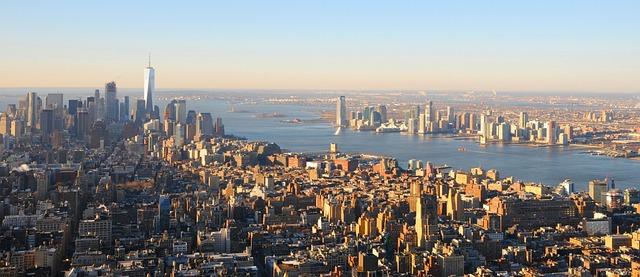
Traffic congestion remains one of the most persistent challenges facing urban areas across the United States. As millions of commuters navigate crowded highways and congested streets daily, the impact on productivity, air quality, and quality of life continues to mount. In its latest report, CBS News ranks the worst traffic cities in the nation, highlighting where gridlock is most severe and what this means for drivers and communities. This article takes a close look at the cities topping the list, exploring the causes of their traffic woes and potential solutions on the horizon.
Cities with the Longest Commutes and Their Economic Impact
Urban areas plagued by extended travel times are bearing a significant economic burden. Residents in cities like New York, Los Angeles, and San Francisco spend an average of 50-60 minutes each way commuting, which cumulatively amounts to hundreds of hours lost annually. This time drain translates directly into reduced workforce productivity, higher stress levels, and increased expenses for both employees and employers. Local businesses face challenges attracting talent, and the broader economy suffers from decreased consumer spending as wages are diverted towards transportation costs.
Beyond individual impact, these lengthy commutes contribute to heightened environmental concerns and infrastructure strain. The cascading effects include:
- Increased fuel consumption and emissions leading to poorer air quality.
- Greater road maintenance costs due to overuse and congestion.
- Reduced quality of life prompting a shift in residential patterns and urban sprawl.
| City | Average One-Way Commute | Annual Lost Hours per Commuter | Estimated Economic Loss (Billions) |
|---|---|---|---|
| New York | 55 minutes | 264 hours | $10.5 |
| Los Angeles | 58 minutes | 278 hours | $8.9 |
| Chicago | 47 minutes | 225 hours | $5.7 |
| San Francisco | 53 minutes | 254 hours | $6.8 |
How Traffic Congestion Affects Daily Life and Public Health
Daily life grinds to a halt as stalled vehicles and bumper-to-bumper traffic become the norm in America’s worst traffic cities. Commuters face longer travel times, leading to increased stress and lost productivity. What was once a 20-minute commute can easily double during rush hour, leaving individuals with less time for family, relaxation, and personal pursuits. Public transportation systems also buckle under pressure, becoming less reliable and crowded, which only compounds the frustration for urban dwellers. Fuel consumption skyrockets, increasing expenses for households already burdened by higher living costs.
Public health takes a direct hit amid worsening congestion. Prolonged exposure to vehicle emissions elevates risks of respiratory and cardiovascular diseases, particularly affecting vulnerable groups such as children and the elderly. Studies link traffic-related air pollution to an increase in asthma attacks and other chronic conditions. Moreover, the noise pollution from constant honking and engine idling contributes to heightened anxiety and sleep disturbances, deteriorating overall well-being. Mental health struggles spike as frustrated drivers experience heightened aggression and fatigue, fueling an unsafe driving environment.
- Increased carbon monoxide and nitrogen dioxide in traffic-heavy zones
- Reduced physical activity due to longer sedentary commutes
- Escalating healthcare costs tied to pollution-linked illnesses
- Strain on emergency services due to slowed response times
| Health Impact | Associated Risk | Population Affected |
|---|---|---|
| Respiratory issues | Asthma, bronchitis | Children, elderly |
| Cardiovascular diseases | Hypertension, heart attacks | Adults, seniors |
| Mental health | Anxiety, stress | Commuters, urban residents |
| Sleep disturbances | Fatigue, depression | General population |
Initiatives and Technologies Tackling Urban Traffic Challenges
Around the nation, cities are deploying a range of innovative solutions to combat the chronic congestion that plagues their streets. These include the integration of smart traffic management systems that leverage real-time data analytics to optimize signal timing and reduce bottlenecks. Adaptive traffic signals can dynamically adjust based on traffic flow, cutting down on unnecessary idling and improving commute times. Additionally, many metropolitan areas are expanding their investments in multimodal transportation networks, encouraging a shift away from single-occupancy vehicles towards public transit, cycling, and walking. These initiatives not only alleviate gridlock but also aim to cut urban carbon emissions.
Emerging technologies such as connected vehicle communication and artificial intelligence-powered routing are also gaining traction. Through vehicle-to-infrastructure (V2I) communication, cars can receive updates about traffic conditions, accidents, and roadwork ahead, enabling drivers to make informed route choices. Autonomous shuttles and microtransit services are being piloted in select cities to provide flexible, on-demand transportation options that reduce dependence on personal vehicles. The table below highlights some of the most promising technological initiatives currently being tested in top U.S. traffic hotspots:
| City | Key Initiative | Expected Impact |
|---|---|---|
| Los Angeles | AI-Enhanced Traffic Signals | 20% Reduced Wait Times |
| New York | Connected Vehicle Pilot Program | 10% Fewer Accidents |
| Chicago | Expanded Bike Lanes & Microtransit | 15% Drop in Rush Hour Cars |
Tips for Commuters to Navigate and Avoid Traffic Hotspots
Commuters facing daily gridlock in the nation’s most congested cities can take proactive steps to ease their journeys. Consider shifting travel times outside peak rush hours, where possible, to reduce time spent idling in traffic. Utilizing real-time traffic apps not only helps in identifying current congestion points but also provides alternative routes that can shave significant minutes off your commute. Carpooling and utilizing public transportation are strong alternatives that alleviate road density while offering cost savings and environmental benefits.
Strategic planning and smart navigation are essential to minimize the frustration of traffic hotspots. Drivers should familiarize themselves with local traffic patterns and upcoming roadwork projects to anticipate delays. Below is a quick overview of recommended practices:
- Monitor traffic updates through apps like Waze or Google Maps
- Experiment with telecommuting if job flexibility allows
- Explore bike lanes or pedestrian options where infrastructure supports it
- Leverage express lanes when available to bypass regular congestion
- Plan for early or late departures from home or office
| City | Peak Delay Hours | Recommended Off-Peak Window |
|---|---|---|
| Los Angeles | 7 AM – 10 AM / 4 PM – 7 PM | 10 AM – 3 PM |
| New York City | 6:30 AM – 9:30 AM / 3:30 PM – 6:30 PM | 9:30 AM – 3:30 PM |
| Atlanta | 7 AM – 9 AM / 4 PM – 6 PM | 9 AM – 4 PM |
Final Thoughts
As congestion continues to challenge urban commuters across the nation, understanding which cities rank as the worst for traffic can help inform both drivers and policymakers. While some metropolitan areas bear the brunt of daily gridlock, ongoing investments in infrastructure and alternative transportation options remain critical to easing the burden. Staying informed on traffic patterns and potential improvements is essential as cities strive to create more efficient and livable environments for all residents.


