
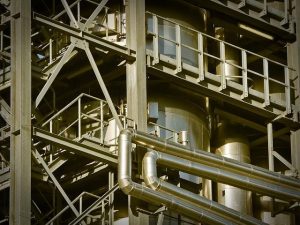



Phoenix Mesa-Gateway Airport is moving forward with plans to expand its industrial footprint through the development of two new manufacturing buildings. The airport’s master developer has submitted proposals aimed at boosting local economic growth and creating new job opportunities. This strategic move reflects ongoing efforts to enhance the airport’s role as a key logistics and manufacturing hub in the region, positioning it for future commercial and industrial success.
Phoenix Mesa-Gateway Airport Announces Expansion with New Manufacturing Facilities
The master developer at Phoenix Mesa-Gateway Airport has unveiled plans to construct two state-of-the-art manufacturing facilities, marking a significant step in expanding the airport’s industrial footprint. These new buildings are set to accommodate a range of manufacturing operations that will leverage the airport’s strategic location and logistics advantages to attract innovative companies and foster economic growth in the region.
Key features of the planned development include:
- Approximately 120,000 square feet of combined manufacturing space
- Modern infrastructure designed for advanced production technologies
- Proximity to air cargo services and major transportation routes for efficient distribution
- Opportunities for new job creation with a focus on skilled labor
This expansion underscores the airport’s commitment to diversifying its business portfolio and supporting the local economy by attracting high-value manufacturing enterprises poised for growth.
Strategic Benefits of Manufacturing Development for Regional Economy
The introduction of two new manufacturing buildings by the Phoenix Mesa-Gateway Airport master developer signifies a pivotal step in bolstering the regional economy. These developments are poised to attract a diverse range of industries, fostering job creation and enhancing the area’s production capabilities. The strategic location near the airport facilitates efficient logistics and distribution, making the region a competitive hub for both domestic and international markets.
Key advantages of this expansion include:
- Increased employment opportunities across multiple skill levels
- Stimulated growth in ancillary sectors such as transportation and services
- Enhanced infrastructure encouraging further investment and innovation
- Strengthened supply chain integration benefiting local businesses
| Benefit | Expected Impact | Timeline |
|---|---|---|
| Job Creation | 500+ new positions | 1-2 years |
| Economic Output | Boost of $30M+ annually | 3 years |
| Investment Attraction | Additional $20M in capital | Ongoing |
Design and Sustainability Features of the Planned Manufacturing Buildings
The new construction project places a strong emphasis on integrating innovative sustainability practices with forward-thinking design elements. Both manufacturing buildings will feature energy-efficient systems, including rooftop solar panels and state-of-the-art HVAC units designed to minimize energy consumption. The developer is committed to using locally sourced, recycled materials throughout the build, reducing the carbon footprint from construction to operation. Additionally, large windows and strategically placed skylights will maximize natural light, significantly cutting down on the need for artificial lighting during daytime hours.
Accessibility and environmental harmony are central to the design philosophy, with each structure planned to include:
- Green roofs that promote biodiversity and improve air quality
- Rainwater harvesting systems aimed at sustainable water management
- Ample EV charging stations to support electric vehicle use among employees and visitors
- Extensive landscaping using native plants to reduce irrigation needs
| Feature | Benefit |
|---|---|
| Solar Panels | 30% reduction in electrical consumption |
| Green Roof | Improved insulation and stormwater management |
| Rainwater Harvesting | Decreased municipal water dependence |
| EV Charging Stations | Support for sustainable transportation |
Recommendations for Stakeholders to Maximize Investment Opportunities
To fully capitalize on the emerging opportunities presented by the new manufacturing facilities at Phoenix Mesa-Gateway Airport, stakeholders should prioritize strategic collaboration and long-term planning. Local governments and economic development agencies must streamline permitting processes and offer targeted incentives to attract a diverse range of manufacturers. This coordinated effort can accelerate project timelines and ensure the development’s alignment with broader regional economic goals.
Additionally, investors and developers should focus on integrating sustainable design elements and advanced infrastructure to future-proof their assets. By adopting cutting-edge technologies such as smart building systems and renewable energy solutions, stakeholders can boost operational efficiency and appeal to eco-conscious tenants. Below is a concise framework highlighting key areas for maximizing investment returns:
| Key Focus Area | Recommended Action |
|---|---|
| Permitting & Zoning | Accelerate approvals and create flexible zoning |
| Incentives | Offer tax credits and workforce development grants |
| Sustainability | Incorporate green building certifications |
| Technology Integration | Implement IoT and energy-efficient systems |
| Community Engagement | Foster partnerships with local stakeholders |
Closing Remarks
As Phoenix Mesa-Gateway Airport continues its strategic expansion, the addition of two new manufacturing buildings marks a significant step forward in bolstering the region’s economic infrastructure. With the master developer’s plans moving ahead, stakeholders remain optimistic about the potential to attract more businesses and create jobs, reinforcing Mesa’s position as a burgeoning hub for industrial growth. Further updates on the project’s progress and its impact on the local economy are expected in the coming months.