


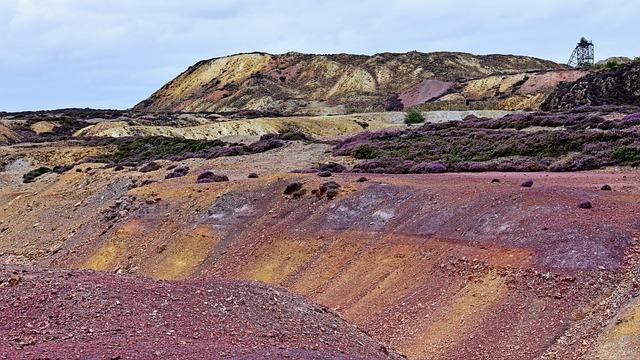
Mitsubishi Corporation has announced a significant $600 million investment in an Arizona copper mining project poised to become the third largest operation of its kind in the United States. This strategic move underscores the growing demand for copper, driven by expanding renewable energy and electric vehicle markets. The development is expected to boost local economies while reinforcing the U.S. position in the critical minerals supply chain.
Mitsubishi Commits Major Funding to Expand Arizona Copper Mining Operations
Mitsubishi’s $600 million investment marks a significant milestone in expanding copper production capabilities within Arizona, a state known for its rich mineral resources. The funding will accelerate development at one of the region’s most promising copper projects, poised to ascend as the third-largest copper mine in the United States. This expansion is expected to boost output while enhancing the local economy through job creation and infrastructure improvements.
The project encompasses:
- Modernizing extraction techniques to improve sustainability
- Creating an estimated 500 new direct jobs and numerous indirect employment opportunities
- Strengthening supply chains for copper, a critical metal for electronics and renewable energy sectors
| Project Component | Expected Impact |
|---|---|
| Production Capacity | Increase by 30% |
| Employment | 500 new jobs |
| Investment Duration | 5 Years |
Projected Economic Impact and Job Creation from the New Copper Mine Project
The $600 million investment by Mitsubishi in the Arizona copper mine is anticipated to be a significant economic driver for the region. Initial projections suggest the project will generate an influx of capital through both direct mining operations and associated supply chain industries. With the mine positioned to become the third largest copper producer in the United States, local economies stand to benefit from increased business activity, tax revenues, and infrastructure developments.
Job creation is another critical benefit tied to this venture. The project plans to employ over 1,200 workers during the construction phase and establish around 600 permanent positions once fully operational. These roles span a wide range of specialties, including:
- Mining engineering and extraction
- Environmental management and safety compliance
- Equipment maintenance and logistics
- Administrative and support services
| Phase | Job Creation Estimate | Duration |
|---|---|---|
| Construction | 1,200+ | 3 years |
| Operational | 600 | 20+ years |
Environmental and Regulatory Challenges Facing Mitsubishi’s Mining Expansion
Mitsubishi’s ambitious $600 million investment in the Arizona copper mine comes amid a complex backdrop of environmental concerns and stringent regulatory scrutiny. The project’s scale poses significant challenges, including the management of water resources in a region already grappling with drought conditions. Environmental advocates worry about potential impacts on local ecosystems, particularly the disruption of wildlife habitats and the risk of groundwater contamination. Mitsubishi has pledged to implement advanced water recycling techniques and eco-friendly waste management practices, but these initiatives must withstand rigorous evaluation from state and federal agencies.
Regulatory hurdles also loom large, with multiple permit approvals required from entities such as the Environmental Protection Agency (EPA) and the Arizona Department of Environmental Quality. The company faces public consultation processes and possible legal challenges from community groups seeking to ensure transparency and accountability. Key concerns voiced include:
- Air quality management and dust control measures during excavation and transport.
- Long-term land rehabilitation to restore mined areas to sustainable use.
- Compliance with the Clean Water Act to prevent harmful runoff.
| Environmental Concern | Regulatory Requirement | Status |
|---|---|---|
| Water Resource Management | Water Use Permits | Pending Approval |
| Wildlife Protection | Environmental Impact Study | In Progress |
| Airborne Particulate Control | Air Quality Permits | Approved |
Strategic Recommendations for Maximizing Long-Term Benefits from the Copper Investment
To fully capitalize on Mitsubishi’s $600 million investment in the Arizona copper mine, industry stakeholders should focus on integrating sustainable mining practices with innovative technologies. Prioritizing environmental stewardship will not only meet regulatory standards but also secure long-term operational licenses and community trust. Implementing state-of-the-art automation and data analytics can optimize extraction processes, reduce downtime, and enhance safety, ultimately driving higher profitability and resource longevity.
- Embrace renewable energy sources to power mining operations and minimize carbon footprint
- Invest in workforce development to cultivate local talent and promote economic inclusion
- Form strategic partnerships with technology firms and research institutions for continuous innovation
- Adopt adaptive risk management frameworks to swiftly navigate market fluctuations and regulatory changes
| Recommendation | Expected Benefit | Time Frame |
|---|---|---|
| Renewable energy integration | Lower emissions & operational costs | Short to medium term |
| Technological automation | Improved efficiency and safety | Immediate to long term |
| Local workforce investment | Community support & skilled labor | Long term |
To Wrap It Up
Mitsubishi’s $600 million investment in the Arizona copper mine project underscores the growing importance of domestic mining operations amid rising demand for critical minerals. Set to become the third largest copper mine in the United States, the project not only promises significant economic benefits for the region but also highlights the strategic role of copper in supporting infrastructure and clean energy initiatives. As development progresses, stakeholders will be closely watching its impact on the local community, the broader supply chain, and the nation’s position in the global minerals market.