






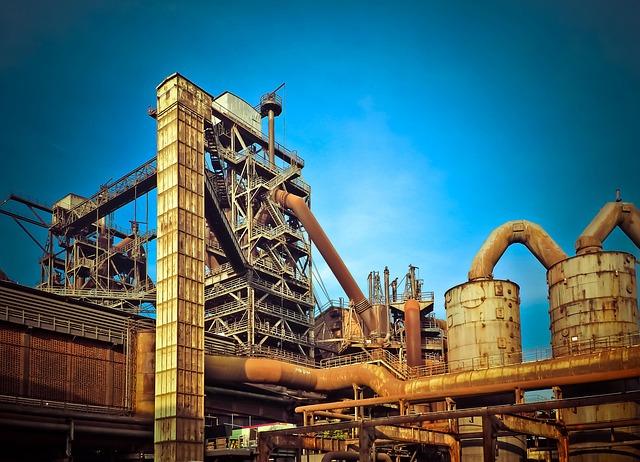
Phoenix Industrial Park has officially changed ownership as its buildings reach full capacity, marking a significant milestone in the region’s commercial real estate sector. According to The Business Journals, the transaction highlights growing demand for industrial space amid a robust local economy. The park’s 100% occupancy rate underscores its strategic importance to businesses seeking logistical advantages in the Phoenix area, signaling continued confidence in the market and the potential for further development in the industrial property landscape.
Phoenix Industrial Park Sold Amid Surge in Demand for Industrial Space
The recent transaction involving the Phoenix Industrial Park underscores the escalating demand for industrial spaces throughout the region. As the park reached full occupancy, attracting diverse tenants from logistics to manufacturing sectors, the sale highlights a bullish sentiment among investors keen to capitalize on limited available inventory. Market experts point to the surge as a reflection of broader economic trends, including increasing e-commerce activity and supply chain restructuring, which are driving companies to secure strategically located warehouse and distribution facilities.
Key factors contributing to the success of this deal include:
- Prime location with excellent transportation access
- Modern infrastructure designed to accommodate advanced industrial operations
- Strong tenant mix ensuring steady cash flow
The new ownership is expected to maintain aggressive leasing strategies and consider future expansions to meet ongoing market demand. Meanwhile, the transaction price and occupancy milestones set new benchmarks for industrial real estate valuations in Phoenix, signaling sustained growth momentum in this sector.
Full Occupancy Signals Strong Market Confidence in Phoenix Area
Investor confidence in the Phoenix industrial sector is at an all-time high, with the recent transition of ownership highlighting the robust demand for warehouse and manufacturing space in the area. The newly acquired building, now fully occupied, reflects a thriving economy driven by expanding logistics networks and a surge in e-commerce activities. Tenants range from local businesses scaling operations to national distributors, all eager to capitalize on Phoenix’s strategic location and infrastructure advantages.
- Zero vacancy achieved within months of market listing
- Diverse tenant mix spanning technology, retail, and distribution
- Significant upward pressure on lease rates due to limited availability
Market data underscores this strong momentum, with rental growth outpacing regional averages and absorptions signaling sustained demand through 2024. Industry analysts suggest these trends will fuel further investments in Phoenix’s industrial real estate, positioning the city as a pivotal logistics hub in the Southwest.
| Metric | Q1 2024 | Q4 2023 | Year-over-Year Change |
|---|---|---|---|
| Occupancy Rate | 100% | 98% | +2% |
| Average Rent (per sq. ft.) | $12.35 | $11.80 | +4.7% |
| New Leases Signed | 15 | 10 | +50% |
New Ownership Plans Strategic Upgrades to Enhance Tenant Experience
The new ownership team is set to embark on a comprehensive upgrade initiative aimed at elevating the overall tenant experience within the industrial park. Prioritizing modern amenities and cutting-edge infrastructure, planned improvements include enhanced security systems, expanded communal spaces, and upgraded logistics support designed to streamline tenant operations. These strategic enhancements are expected to not only solidify tenant satisfaction but also attract higher-value leases moving forward.
Key upgrades will focus on technology integration and sustainability, incorporating smart building features such as energy-efficient lighting, automated climate control, and advanced waste management solutions. Below is an overview of some critical planned improvements:
- Security: Installation of 24/7 AI-powered surveillance and access control systems
- Common Areas: Renovated break rooms and outdoor recreation zones
- Logistics: Enhanced loading dock facilities and upgraded freight elevators
- Tech: Campus-wide high-speed wireless and IoT-enabled building management
| Upgrade Category | Expected Completion | Benefit |
|---|---|---|
| Security Systems | Q3 2024 | 24/7 tenant safety |
| Shared Amenities | Q4 2024 | Improved community engagement |
| Energy Efficiency | Q1 2025 | Lower operating costs |
Experts Recommend Continued Investment to Sustain Growth Momentum
Industry leaders emphasize the critical role ongoing investment plays in maintaining the impressive growth trajectory witnessed at Phoenix Industrial Park. Following the recent transition in ownership and the milestone of achieving full occupancy, experts warn that sustaining such momentum requires a strategic approach to funding infrastructure upgrades, technology integration, and workforce development. These factors are deemed essential to keep pace with evolving market demands and foster an environment conducive to long-term prosperity.
Key recommendations from analysts and stakeholders include:
- Enhancing transportation and logistics facilities to reduce operational bottlenecks
- Investing in advanced manufacturing technologies to boost productivity
- Expanding collaborative spaces to support innovation and partnerships
- Prioritizing sustainable practices to improve environmental impact and compliance
| Investment Focus | Projected Impact | Timeframe |
|---|---|---|
| Smart Infrastructure | 20% Efficiency Gain | 1-2 Years |
| Skill Development Programs | 15% Workforce Productivity | 6-12 Months |
| Green Energy Adoption | 30% Energy Cost Reduction | 2-3 Years |
Closing Remarks
As Phoenix Industrial Park changes hands amid full occupancy, the transaction underscores the growing demand for industrial space in the region. With its strategic location and robust tenant base, the park is poised to continue playing a key role in Phoenix’s evolving commercial landscape. Stakeholders will be watching closely to see how new ownership leverages this momentum to meet ongoing market needs.


