





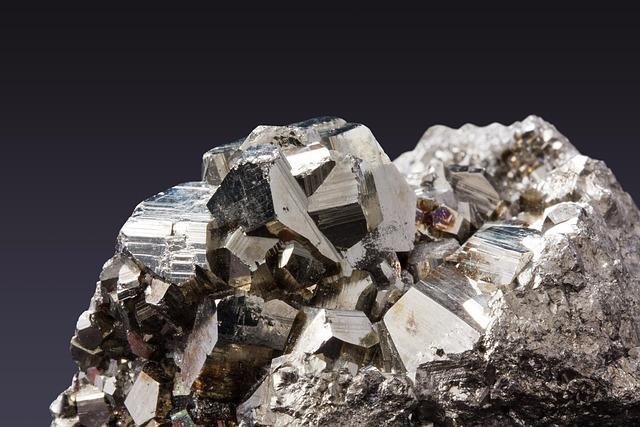
In response to growing geopolitical tensions and supply chain vulnerabilities, U.S. companies are intensifying efforts to reduce dependence on China for critical minerals essential to key weapons systems. According to a recent report by AP News, this strategic shift reflects broader national security concerns as American defense manufacturers seek to secure more reliable and domestically sourced materials pivotal to maintaining military readiness and technological superiority.
US Companies Accelerate Efforts to Reduce Supply Chain Vulnerabilities in Critical Minerals
US corporations are ramping up initiatives to diversify the sourcing of vital minerals that have traditionally been heavily imported from China. These critical materials—essential for manufacturing advanced defense systems—include rare earth elements, lithium, and cobalt. Companies are investing in domestic mining projects, forging partnerships with allied nations, and advancing recycling technologies to secure a more resilient supply chain. Industry analysts highlight that reducing the dependency on a single foreign supplier is a strategic move to safeguard national security and stabilize manufacturing timelines.
Key measures being implemented include:
- Development of domestic extraction and processing facilities
- Strategic alliances with mining firms in Canada, Australia, and Africa
- Innovations in material recycling to reclaim critical minerals from obsolete electronics
- Government incentives accelerating private sector investment in mineral security
| Critical Mineral | Primary Use in Defense | Current Sourcing Challenge |
|---|---|---|
| Neodymium | Magnets for missile guidance systems | 90% sourced from China |
| Lithium | Battery technology for UAVs | Limited US production capacity |
| Cobalt | High-temperature alloys | High geopolitical risks in key mining regions |
Strategic Partnerships and Domestic Mining Initiatives Gain Momentum
Amid escalating geopolitical tensions and supply chain vulnerabilities, American corporations are forging robust collaborations with domestic miners and tech companies to establish a more secure and self-sufficient supply of critical minerals essential for defense manufacturing. These strategic alliances focus on tapping into untapped U.S. mineral reserves and revitalizing older mines with advanced, eco-conscious technologies to ensure consistent access to rare earth elements, lithium, and cobalt. Key players are pooling their resources to enhance refining capacities on American soil, effectively cutting reliance on foreign intermediaries and mitigating risks linked to overseas dependencies.
Government incentives and private sector investments have coalesced to accelerate exploration and extraction efforts, demonstrating a shared commitment to national security and economic resilience. The following table highlights some recent partnerships and their targeted minerals:
| Company Partnership | Mineral Focus | State(s) Involved | Projected Start |
|---|---|---|---|
| GeoMet & ElectroCore | Rare Earths | Montana, Wyoming | Q3 2024 |
| VoltMiner & PureLith | Lithium | Nevada | Early 2025 |
| CoastCobalt Alliance | Cobalt | Alaska | Q1 2024 |
- Enhanced processing technologies: To increase yield and reduce environmental impact
- Public-private partnerships: Leveraging federal funds alongside private capital
- Local workforce training: Creating jobs in mineral-rich regions to sustain long-term operations
Innovations in Recycling and Alternative Materials Offer Promising Solutions
Faced with persistent supply chain vulnerabilities, several U.S. companies are pioneering advancements in recycling technologies and developing alternative materials to reduce dependence on foreign sources of critical minerals. These innovations focus on extracting valuable elements from electronic waste and military-grade scrap, significantly lowering the need for fresh imports. Notably, breakthroughs in hydrometallurgical processes are enabling more efficient recovery of rare earth metals, while emerging bioleaching techniques utilize microorganisms to extract metals in an eco-friendly manner.
Alongside recycling, material scientists are designing high-performance substitutes that replicate the properties of scarce minerals used in advanced weaponry systems. These include:
- Composite materials replacing rare earth magnets
- Graphene-enhanced conductors as alternatives to copper
- Ceramic-based insulators acting in place of specialized minerals
| Innovation | Material Impacted | Expected Benefit |
|---|---|---|
| Advanced E-Waste Recycling | Rare Earth Elements | Up to 40% cost reduction |
| Bioleaching Methods | Cobalt, Nickel | Eco-friendly extraction |
| Graphene Conductors | Copper | Enhanced conductivity |
| Ceramic Insulators | Specialized Minerals | Improved durability |
Policy Recommendations to Strengthen National Security and Resource Independence
To reduce strategic vulnerabilities, the US government must enact policies that encourage diversification of mineral supply chains and incentivize domestic production. This includes increased funding for advanced mining technologies, streamlined permitting processes, and targeted tax credits for companies investing in critical mineral extraction and processing. Strengthening public-private partnerships can also accelerate innovation in refining technologies and ensure a steady supply of essential materials for defense applications without overreliance on foreign sources.
Additionally, establishing robust stockpiles of rare earth elements and other vital minerals will provide a buffer against global supply disruptions. Policymakers should also enhance collaboration with allied nations to develop secure, transparent trade agreements. Key policy actions include:
- Creating strategic mineral reserves managed at the federal level to stabilize market fluctuations.
- Implementing strict reporting and transparency requirements for mineral sourcing to verify ethical and sustainable practices.
- Supporting workforce development programs to build expertise in critical mineral extraction and processing sectors.
| Policy Focus | Expected Impact |
|---|---|
| Tax incentives for domestic mining | Increase local production capacity by 30% over 5 years |
| Streamlined environmental reviews | Accelerate project approvals by 40% |
| Strategic reserve establishment | Mitigate supply disruptions for up to 12 months |
| International supply chain partnerships | Enhance reliability and ethical sourcing standards |
In Retrospect
As U.S. companies accelerate efforts to reduce dependence on China for critical minerals essential to national defense, the move signals a strategic shift in supply chain priorities amid rising geopolitical tensions. While challenges remain in securing alternative sources and scaling domestic production, these initiatives reflect a broader push to enhance resilience and safeguard key technologies. The coming years will be crucial in determining how effectively the United States can navigate these complexities to maintain its defense capabilities without compromising security or economic stability.