






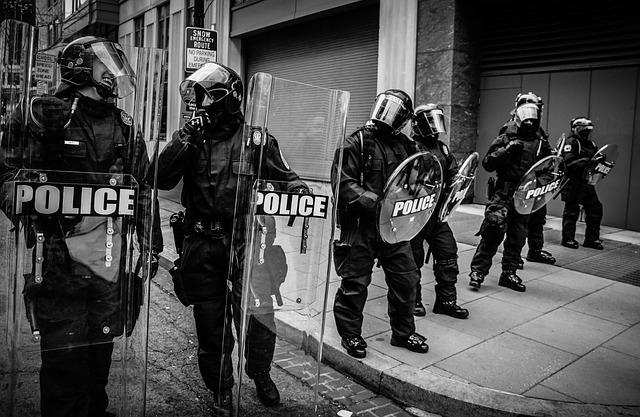
In a contentious development at Swarthmore College, students involved in a recent protest allege that campus authorities called the police in response to their demonstration, leading to criminal charges. One protester, now facing trial, has come forward to share their experience amid growing debates over free speech and campus activism. This article examines the circumstances surrounding the police intervention, the legal challenges confronting those involved, and the broader implications for student protest movements at elite institutions.
Swarthmore Protest Escalates as Police Intervention Sparks Legal Battle
The recent protest at Swarthmore College escalated unexpectedly after campus security called law enforcement, leading to multiple arrests and igniting a contentious legal dispute. Activists allege that police response was disproportionate to the peaceful demonstration, which sought to address campus policies regarding diversity and inclusion. Several protestors now face charges ranging from disorderly conduct to trespassing, setting the stage for a courtroom confrontation that many see as a precedent for future campus activism.
The legal battle ahead is drawing attention from civil rights organizations and student groups nationwide. Key points of contention in the upcoming trial include:
- The legality of the police intervention: Was the response justified given the nature and scale of the protest?
- First Amendment rights: Defendants claim their right to free speech and assembly was violated.
- Impact on campus climate: Debate over how enforcement actions influence future activism and student engagement.
| Arrest Charges | Number of Protestors | Potential Penalties |
|---|---|---|
| Disorderly Conduct | 7 | Fines, community service |
| Trespassing | 3 | Probation, possible jail time |
| Resisting Arrest | 1 | Increased fines, jail time |
Defendants Detail Charges and Court Proceedings Ahead of Trial
In the days leading up to the trial, defendants have come forward to clarify the specific charges they face and to shed light on the ongoing court proceedings. Among the charges are allegations ranging from trespassing to disorderly conduct, all related to the recent protest actions taken on campus. Legal representatives for the defendants emphasize that these charges stem from a series of peaceful demonstrations aimed at challenging institutional policies, highlighting concerns over how Swarthmore College approached law enforcement involvement.
Details of the charges and court schedules are as follows:
| Defendant | Charge | Court Date | Next Steps |
|---|---|---|---|
| Alex Johnson | Trespassing | July 15, 2024 | Pretrial Hearing |
| Maria Lopez | Disorderly Conduct | July 17, 2024 | Motion Hearing |
| Devin Chen | Obstruction of Justice | July 20, 2024 | Trial Begins |
The legal team also highlighted the importance of public and community support throughout the process, encouraging attendees at upcoming court dates. This collective advocacy reflects a broader debate about protest rights and institutional response mechanisms within higher education institutions.
Community Response and Activist Strategies to Support the Accused
In the wake of the police intervention at the recent Swarthmore protest, local activists and community members swiftly mobilized to support those facing charges. A coalition of student groups, alumni, and town residents organized legal aid fundraisers and awareness campaigns to ensure the accused are not isolated in navigating the court process. Many voices have emphasized the importance of transparency and accountability, insisting that community solidarity serves as a vital counterweight to what they describe as disproportionate law enforcement measures. Key strategies include:
- Establishing a legal defense fund with contributions from campus organizations and sympathetic local businesses.
- Hosting informational sessions on legal rights and what to expect during the trial.
- Amplifying the narrative through social media channels, livestreamed town halls, and press releases.
- Coordinating with experienced public defenders to provide pro bono legal counsel.
The network of support extends beyond financial and legal assistance. Activists are implementing a multi-pronged approach that integrates community education, morale building, and strategic advocacy. Weekly solidarity vigils near the courthouse have become common, designed both to demonstrate ongoing community backing and to draw public attention to the broader issues at stake, including police overreach on campus. The following table outlines key action points adopted by the activist coalition:
| Action | Purpose | Lead Group |
|---|---|---|
| Legal Workshops | Educate about rights and court procedure | Student Legal Alliance |
| Social Media Campaign | Raise awareness and pressure decision-makers | Swarthmore Activist Network |
| Fundraising Events | Cover legal expenses and resources | Alumni Support Committee |
| Solidarity Vigils | Show community support and maintain visibility | Local Residents’ Coalition |
Legal Experts Offer Advice on Navigating Protest-Related Litigation
According to legal experts specializing in protest-related cases, individuals facing litigation after demonstrations must prioritize knowing their rights and engaging experienced representation early. Key recommendations include:
- Document every interaction with law enforcement thoroughly, including videos and witness accounts.
- Seek counsel familiar with First Amendment protections and local protest laws.
- Avoid making statements to police without an attorney present.
- Understand the specific charges and explore all avenues for dismissal or reduced penalties.
Experts emphasize the importance of strategic preparation to challenge any procedural missteps by authorities and to highlight the constitutional context of protests. Below is a breakdown of typical legal steps involved in protest-related litigation:
| Stage | Objective | Common Actions |
|---|---|---|
| Arrest & Charges | Clarify allegations and evidence | Gather witness statements, preserve video footage |
| Pretrial Motions | Challenge prosecution’s case legally | File motions to dismiss or suppress evidence |
| Trial Phase | Present defense arguments to judge/jury | Use constitutional protections, highlight police misconduct |
The Conclusion
As the legal proceedings unfold, the implications of Swarthmore College’s decision to involve law enforcement in response to student protests continue to reverberate across campus and beyond. This case not only highlights tensions between institutional authority and student activism but also raises critical questions about the limits of free expression and the role of police in academic settings. As the trial approaches, all eyes remain on how this dispute will shape the future of protest and dialogue at Swarthmore and similar institutions nationwide.


