






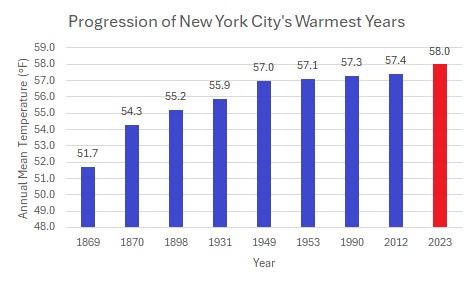
As temperatures soar across the United States, cities like New York and Phoenix are confronting not only the immediate challenges of rising heat but also the longstanding social and infrastructural inequities that exacerbate their residents’ vulnerability. While Phoenix, long accustomed to extreme heat, grapples with intensifying sweltering conditions, New York is in the early stages of adapting to hotter summers—highlighting a shared struggle to protect communities disproportionately affected by climate change. This article explores how both cities are addressing these intertwined issues, shedding light on the urgent need for equitable strategies in the face of a warming future.
Rising Temperatures Expose Longstanding Inequities in New York and Phoenix
As climate change drives temperatures higher, both New York and Phoenix have been forced to confront the harsh realities of heat exposure that disproportionately affects low-income and minority communities. In historically underserved neighborhoods, older housing infrastructure, limited green spaces, and scant access to air conditioning amplify residents’ vulnerability to prolonged heat waves. This legacy of neglect, rooted in decades of discriminatory urban planning, now makes coping with rising heat an urgent public health crisis that both cities struggle to manage effectively.
Key factors aggravating heat inequities include:
- Unequal tree canopy distribution, resulting in “urban heat islands”
- Insufficient funding for cooling centers and public health outreach
- Energy insecurity limiting air conditioning use in low-income homes
- Infrastructure built without climate resilience in mind
| City | Average Summer Temp Increase (Past Decade) | Percentage of Population in Heat-Vulnerable Areas | Cooling Centers Established (2023) |
|---|---|---|---|
| New York | 2.5°F | 35% | 50 |
| Phoenix | 3.8°F | 42% | 70 |
Challenges in Urban Infrastructure and Public Health Services Amid Heat Waves
Urban centers like New York are grappling with outdated infrastructure that struggles under the stress of increasingly frequent and intense heat waves. Aging water systems, limited green spaces, and insufficient cooling centers underscore a broader failure to adapt to climatic realities swiftly. This challenge is compounded by socioeconomic disparities, where marginalized communities bear the brunt of heat-related illnesses due to a lack of access to air conditioning and quality healthcare. The urban heat island effect exacerbates temperatures in dense neighborhoods, making the provision of equitable public health services a daunting task.
Key issues include:
- Infrastructure gaps: Crumbling cooling systems and inadequate public transportation hinder residents’ ability to seek refuge from extreme heat.
- Health service limitations: Public hospitals and clinics are often overwhelmed during heatwaves, limiting timely response for vulnerable populations.
- Social inequity: Low-income neighborhoods frequently have fewer parks and tree cover, heightening exposure to dangerous heat.
| City | Average Summer Temp Increase (last decade) | Cooling Centers Opened | Heat-related Hospital Visits |
|---|---|---|---|
| New York | 3.2°F | 120 | 4,500 |
| Phoenix | 5.1°F | 85 | 7,800 |
Community-Led Initiatives Aim to Bridge the Resource Gap
Across both New York and Phoenix, grassroots organizations are stepping up to address the stark disparities in access to cooling resources during increasingly frequent heat waves. Local advocates emphasize that traditional government relief efforts often overlook marginalized neighborhoods, forming a critical gap that community-led initiatives are now striving to close. These groups focus on deploying cooling centers, distributing fans, and educating residents on heat safety, tailoring their solutions to meet the distinct needs of underserved populations.
Key strategies employed include:
- Partnering with faith-based organizations to provide safe refuge spaces.
- Organizing volunteer outreach to vulnerable seniors and low-income families.
- Launching heat-health awareness campaigns in multiple languages.
| City | Community-Driven Efforts | Impact |
|---|---|---|
| New York | Pop-up cooling hubs & multilingual outreach | Reached 15,000+ residents last summer |
| Phoenix | Neighborhood hydration stations & heat resilience workshops | Reduced heat-related emergency calls by 12% |
Policy Recommendations for Equitable Heat Adaptation Strategies
To truly address the unequal burden of rising temperatures, policymakers must prioritize investments in communities historically neglected by urban planning and public infrastructure development. This includes expanding green spaces, enhancing public cooling centers, and upgrading housing stock in underserved neighborhoods. Aligning heat adaptation strategies with environmental justice principles ensures that measures are not only reactive but actively dismantle systemic barriers. Key tactical steps involve:
- Allocating targeted funding for heat-resilient infrastructure in low-income areas
- Incorporating community voices in the planning and implementation processes
- Providing subsidies and resources for energy-efficient home cooling solutions
- Enhancing early warning systems and public health outreach tailored to vulnerable populations
Moreover, city officials must foster multi-sector partnerships to achieve scalable solutions. Cross-agency collaboration between health departments, housing authorities, and urban planners can multiply the impact of adaptation efforts. Consider the following comparative data illustrating budget allocation disparities for heat mitigation in New York and Phoenix:
| City | Heat Mitigation Budget (2023) | % Allocated to Vulnerable Communities |
|---|---|---|
| New York | $45 million | 28% |
| Phoenix | $38 million | 35% |
Closing this funding gap through transparent reporting and public accountability is vital for building trust and resilience. Without equitable resource distribution, the most heat-exposed residents — disproportionately people of color and low-income households — will continue to face severe health risks and economic hardships as global temperatures climb.
Concluding Remarks
As New York and Phoenix confront the mounting challenges of rising temperatures, their struggles underscore a critical reality: addressing historical inequities must be central to climate adaptation efforts. Both cities illustrate that without deliberate policies targeting vulnerable communities, the toll of heat will continue to deepen existing disparities. Moving forward, equitable solutions will be essential to safeguarding public health and ensuring resilience in an increasingly warming world.


