






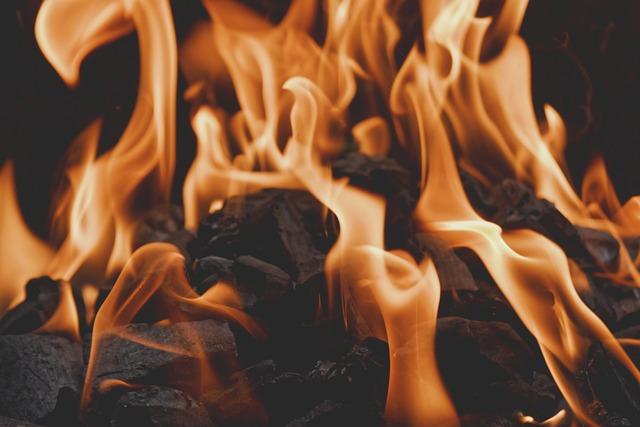
A historic heatwave sweeping across the western United States in March has shattered long-standing high-temperature records, raising concerns over accelerating climate trends. Unseasonably intense heat has gripped states from California to Nevada, pushing mercury readings well beyond previous March averages and prompting warnings from meteorologists and public officials. This extraordinary weather event underscores growing fears about the increasing frequency and severity of extreme heat episodes linked to global warming.
Historic March Heatwave Sets Unprecedented Temperature Records Across Western US
Across the western United States, temperatures soared to unprecedented levels this March, redefining seasonal norms and alarming climate experts. Several cities reported record-breaking highs that eclipsed previous benchmarks by multiple degrees. The early onset of extreme heat has ignited concerns about the increasing frequency and intensity of heatwaves in the region. From urban centers to remote desert locations, the impact was palpable, stressing infrastructure and prompting early heat advisories. Meteorologists attribute this escalation to a potent combination of atmospheric patterns and underlying climate shifts.
Key highlights of the temperature surge include:
- Los Angeles hitting 92°F, the highest March temperature since records began.
- Phoenix experiencing an unprecedented 102°F, setting a new city record.
- Salt Lake City recording 83°F, breaking a 50-year-old March high mark.
| City | Old Record (°F) | New Record (°F) | Year Set |
|---|---|---|---|
| Los Angeles | 89 | 92 | 2024 |
| Phoenix | 99 | 102 | 2024 |
| Salt Lake City | 81 | 83 | 2024 |
These extraordinary highs have fueled discussions on adapting city planning and public health strategies to withstand heat intensification in the coming years.
Environmental and Health Impacts of the Early Season Extreme Heatwave
The unprecedented March heatwave in the US West has triggered a cascade of environmental consequences, intensifying drought conditions and destabilizing fragile ecosystems earlier than usual. Normally dormant flora and fauna are facing premature stress, disrupting natural cycles and threatening biodiversity. The early-season warmth has accelerated snowmelt in mountainous regions, reducing water availability downstream and compounding the risk of wildfires. These changes strain efforts to maintain ecological balance as plants and animals scramble to adapt to the rapidly shifting climate.
On the public health front, communities are grappling with unexpected heat-related illnesses, especially among vulnerable populations such as the elderly and outdoor workers. Emergency services report rises in heat exhaustion and dehydration cases, further challenging healthcare infrastructure already burdened by seasonal flu. Heat stress can exacerbate chronic conditions including cardiovascular and respiratory diseases. Key health risks linked with this spike in temperatures include:
- Increased emergency room visits for heat stroke and dehydration
- Amplified air pollution effects due to temperature-driven ozone formation
- Heightened mental health strain from heat-induced discomfort and sleep disturbances
- Compounded risks for outdoor laborers forced to work under extreme conditions
| Impact Category | Key Concerns | Short-Term Effects |
|---|---|---|
| Environmental | Accelerated drought & wildfire risk | Vegetation stress, habitat loss |
| Health | Heat-related illnesses & air quality | More ER visits, respiratory issues |
| Socioeconomic | Work productivity & infrastructure strain | Economic losses, service disruptions |
Experts Link Rising Temperatures to Climate Change and Urge Immediate Action
Scientists have identified a clear connection between the unprecedented heatwave sweeping across the US West and the ongoing global climate crisis. Rising temperatures, amplified by decades of greenhouse gas emissions, have pushed regional weather patterns into uncharted territory. Experts emphasize that what once were considered rare temperature extremes are now becoming a frequent occurrence, raising alarms across environmental, public health, and economic sectors. Leading climatologists point out that immediate and sustained reductions in carbon emissions are critical to prevent even more severe climate disruptions in the coming years.
The urgency of this climate emergency is underscored by multiple findings:
- Record-breaking daytime highs exceeding historical norms by 10°F or more
- Extended drought conditions stressing water reserves and agriculture
- Increased wildfire risks fueled by dry, hot weather patterns
- Public health threats due to prolonged heat exposure
| Metric | 2024 March Heatwave | Average March (2010-2020) |
|---|---|---|
| Max Temperature (°F) | 95 | 75 |
| Days Above 90°F | 12 | 2 |
| Wildfire Incidents | 15 | 6 |
Strategies for Communities to Prepare and Adapt to Increasing Heat Extremes
As communities face escalating heat extremes, local governments and organizations must prioritize both immediate relief and long-term resilience initiatives. Establishing cooling centers accessible to vulnerable populations, such as the elderly and outdoor workers, can provide critical refuge during peak heat periods. Investing in urban greening projects, including planting shade trees and expanding green roofs, helps reduce ambient temperatures and improve air quality. Public awareness campaigns focused on hydration, heatstroke prevention, and recognizing heat-related symptoms play a key role in safeguarding public health.
Climate-adaptive infrastructure demands coordinated efforts across sectors to fortify energy grids against soaring demand and prevent widespread blackouts. Encouraging building designs that incorporate passive cooling techniques, reflective materials, and improved insulation can dramatically reduce indoor heat exposure. Below is a simple overview of effective community actions against heat extremes:
| Action | Impact | Priority Group |
|---|---|---|
| Cooling Centers | Immediate relief during heat spikes | Elderly, Children, Outdoor Workers |
| Urban Greening | Long-term temperature reduction | General Population |
| Public Awareness | Improved community preparedness | All residents |
| Resilient Infrastructure | Energy reliability and safety | Utilities and Government |
| Adaptive Building Design | Reduced indoor heat stress | Developers and Homeowners |
To Conclude
As the historic March heatwave continues to grip the US West, shattering long-standing temperature records, experts warn that such extremes may become increasingly common amid the backdrop of climate change. With communities facing unprecedented heat levels so early in the year, authorities are urging residents to stay vigilant and take necessary precautions. The event serves as a stark reminder of the urgent need for comprehensive climate action to mitigate future risks and protect vulnerable populations from escalating weather extremes.


