





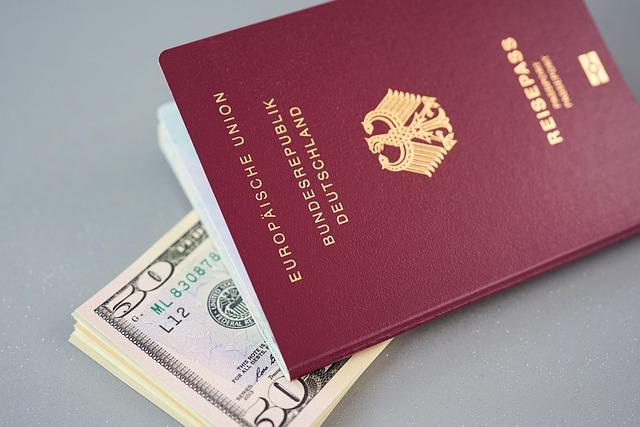
From L1 Visa to USA Green Card: A Successful Immigration Journey – openPR.com
In an era where global mobility defines professional growth, the path from an L1 visa to obtaining a USA green card represents a significant milestone for many international workers. This transition, often marked by complex legal procedures and rigorous documentation, symbolizes not just immigration success but also the realization of new opportunities in the United States. openPR.com delves into the detailed journey of individuals who have navigated this process successfully, shedding light on the challenges, strategies, and key insights that pave the way from temporary work authorization to permanent residency.
L1 Visa Basics and Eligibility Criteria Explored
The L1 visa is a non-immigrant visa allowing multinational companies to transfer key employees from their foreign offices to their U.S. branches. To qualify, applicants must hold a managerial, executive, or specialized knowledge position and have worked continuously for the company abroad for at least one year within the last three years. This visa category is split into two types: L1A for managers and executives, and L1B for employees with specialized knowledge, each with distinct eligibility requirements and duration limits.
Understanding the eligibility criteria is crucial before applying, as improper filing can delay or jeopardize your immigration journey. Key eligibility factors include:
- Qualifying Relationship: The U.S. company must have a qualifying relationship with the foreign entity (parent, branch, affiliate, or subsidiary).
- Duration of Employment: The employee must have been employed abroad by the company for at least 12 months within the last three years.
- Position Requirements: The role must be managerial, executive, or involve specialized knowledge.
| Visa Type | Maximum Initial Stay | Extension Limits |
|---|---|---|
| L1A | 1 year (new office) | Up to 7 years |
| L1B | 1 year (new office) | Up to 5 years |
Navigating the Transition from L1 to Permanent Residency
Transitioning from an L1 visa to a permanent residency in the U.S. requires strategic planning and a clear understanding of immigration protocols. Professionals holding the L1 visa must first ensure their employer’s sponsorship aligns with green card requirements, emphasizing the importance of a seamless internal transfer within multinational companies. The process typically involves:
- Labor Certification: Demonstrating there are no qualified U.S. workers for the position.
- Petition Filing: Employers file the I-140 Immigrant Petition for Alien Worker on behalf of the applicant.
- Adjustment of Status or Consular Processing: Depending on whether the applicant is inside the U.S. or abroad, this step transitions the individual from a visa holder to a Green Card recipient.
Timing and documentation accuracy are crucial, as any delays or inconsistencies may jeopardize the application. Maintaining active L1 status until the green card approval is another critical factor, ensuring uninterrupted legal presence throughout the process.
| Step | Duration | Key Action |
|---|---|---|
| Labor Certification | 6–9 months | Apply through DOL |
| I-140 Petition | 4–8 months | Submit to USCIS |
| Adjustment of Status | 6–12 months | File I-485 Form |
Success in the transition from L1 to permanent residency is often backed by proactive communication, adherence to immigration deadlines, and collaboration between the foreign national and their employer’s legal team. For many, this journey represents not just a change in visa status but a pivotal step toward long-term stability and career growth in the United States.
Key Legal Challenges and How to Overcome Them
One of the most persistent obstacles in the journey from an L1 visa to a USA Green Card is navigating the complex legal framework. Applicants often face delays caused by procedural backlog at USCIS, misinterpretation of eligibility criteria, or insufficient documentation, which can jeopardize their status. Common legal hiccups include:
- Proving continuous employment and managerial roles under L1 status
- Addressing Requests for Evidence (RFEs) that demand detailed proof of qualifications
- Complying with ever-changing immigration regulations and policies
To overcome these challenges, it is essential to work closely with skilled immigration attorneys who specialize in L1 visa transitions. Proactive preparation, including meticulous documentation and timely responses to USCIS requests, greatly increases approval chances. Additionally, staying informed about policy updates and leveraging legal resources can help applicants adapt strategies swiftly, minimizing risk of denials or prolonged processing times.
| Challenge | Strategy | Outcome |
|---|---|---|
| Incomplete Documentation | Detailed records of employment and role scope | Fewer RFEs, faster process |
| Regulatory Changes | Regular legal consultation | Compliance and reduced rejections |
| Backlog and Delays | Strategic filing and follow-ups | Timely case progression |
Expert Tips for a Smooth Green Card Application Process
Successfully navigating the transition from an L1 visa to a USA Green Card requires meticulous planning and awareness of procedural nuances. Start by keeping your documentation in impeccable order—organize payslips, employment verification letters, and tax returns methodically. Additionally, maintaining a clear record of your L1 status duration and any travel outside the US will prevent unwelcome delays. Timely communication with your employer’s immigration legal team is crucial to avoid missing key deadlines or updates pertinent to your application timeline.
Understanding the nuances of USCIS processing times and common Request for Evidence (RFE) triggers can seriously smooth your immigration journey. Here are some essential pointers to keep top of mind:
- Double-check filing forms and signatures: Minor errors or omissions often cause prolonged processing or RFEs.
- Stay updated with policy changes: Immigration regulations evolve; staying informed ensures compliance.
- Prepare for interviews and biometric appointments early: Scheduling them promptly can avoid backlog-related delays.
- Use premium processing wisely: When timing is critical, this option can accelerate adjudication.
| Step | Potential Pitfall | Pro Tip |
|---|---|---|
| Petition Filing | Incomplete evidence | Consult immigration attorney for checklist |
| Document Submission | Expired passports | Renew passports well in advance |
| Application Tracking | Missed deadlines | Set calendar reminders |
| Interview Preparation | Insufficient supporting proof | Gather detailed employment history |
In Summary
In conclusion, the journey from an L1 visa holder to securing a USA Green Card represents a significant milestone for many professionals seeking long-term residency and career growth in the United States. This path, while complex, underscores the opportunities available within the American immigration framework for skilled workers and multinational employees. As illustrated through real-life success stories featured on openPR.com, perseverance, strategic planning, and informed legal guidance remain crucial elements in navigating this transition. With evolving immigration policies, staying updated and prepared can make all the difference in turning aspirations into reality for L1 visa holders aiming to call the U.S. home.