






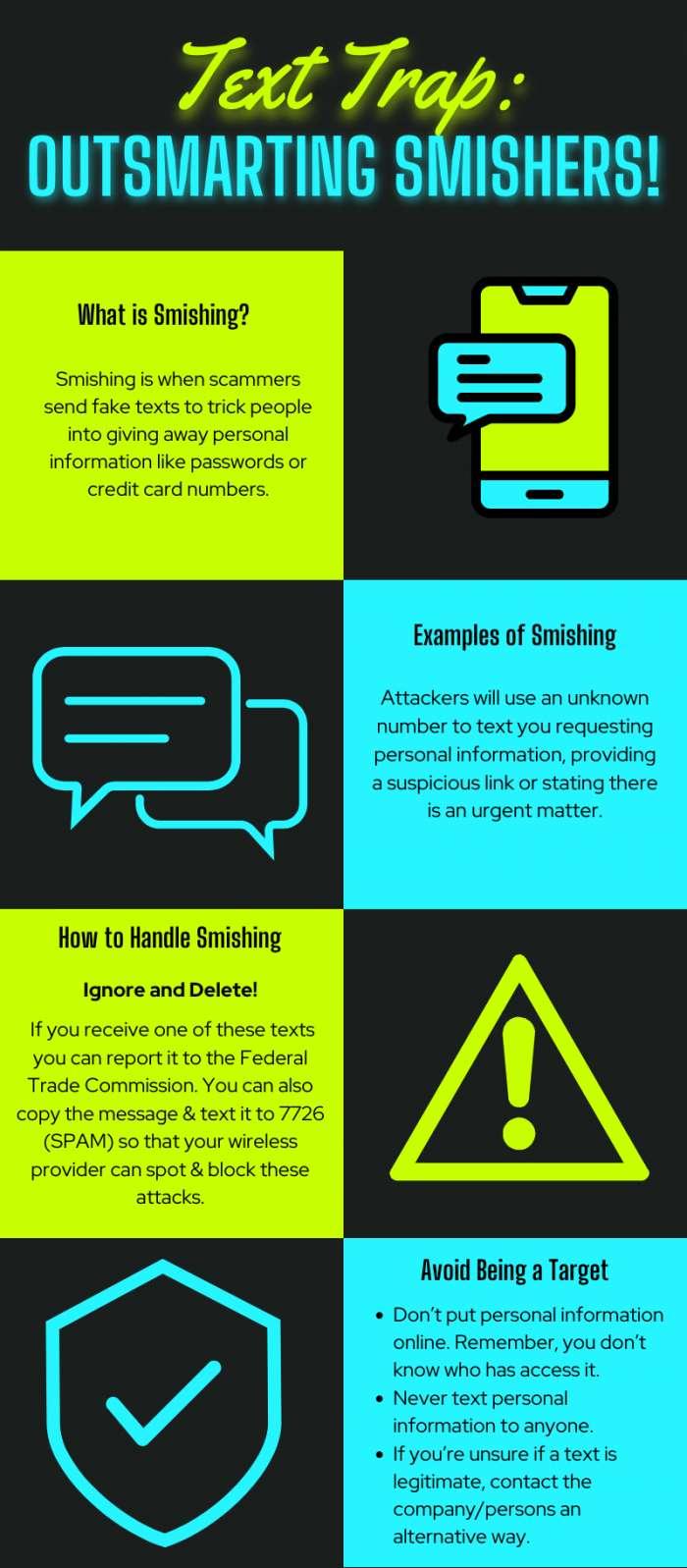
In an era where digital communication dominates, the threat of cyber deception looms larger than ever. The FBI’s latest edition of “Tech Tuesday” highlights crucial strategies to safeguard individuals and businesses from the increasing risks of spoofing and phishing scams. These cybercrimes, which manipulate identities to steal sensitive information or deploy malicious attacks, continue to evolve in sophistication. As reported on fbi.gov, understanding how these scams operate and knowing the protective measures to counter them is essential for maintaining online security in today’s interconnected world.
Understanding Spoofing and Phishing Techniques Used by Cybercriminals
Cybercriminals deploy sophisticated spoofing and phishing tactics designed to deceive individuals and organizations into revealing sensitive information such as passwords, credit card numbers, or Social Security details. Spoofing involves masquerading as a trusted source by falsifying email addresses, phone numbers, or even websites. Phishing typically follows by sending convincing messages that prompt victims to click malicious links or download harmful attachments. These fraudulent communications often create a false sense of urgency, exploiting human psychology to trick recipients into quick action without verification.
Awareness of common signs can greatly diminish risk. Look out for:
- Emails or messages with unexpected requests for personal info
- Poor spelling and grammar that can signal inauthenticity
- Suspicious URLs that don’t match official domains
- Unsolicited attachments or links urging immediate action
Below is a quick-reference guide highlighting key differences between spoofing and phishing:
| Aspect | Spoofing | Phishing |
|---|---|---|
| Primary Goal | Pretend to be trusted entity | Steal personal or financial data |
| Method | Manipulate sender’s identity | Deceptive messages with malicious links |
| Common Mediums | Email, Caller ID, Websites | Email, SMS, Social Media |
Identifying Common Red Flags in Suspicious Emails and Messages
Spotting suspicious emails and messages before responding can be pivotal in protecting yourself from cyber threats. One of the most telling signs is the sender’s email address or phone number. Often, attackers use addresses that closely mimic legitimate ones but include subtle misspellings or unusual domain extensions. Additionally, unexpected emails urging immediate action, such as clicking a link or downloading an attachment, should raise alarms. These messages frequently leverage urgency or fear to bypass rational decision-making. Watch for poor grammar, generic greetings like “Dear Customer,” and requests for personal or financial information—red flags that typically do not align with reputable organizations’ communication protocols.
Below is a simple guide to recognize some of the common markers found in phishing and spoofing attempts:
| Red Flag | What to Watch For | Why It’s Suspicious |
|---|---|---|
| Sender Address | Minor misspellings or extra characters | Impersonation of a real organization |
| Urgency | Messages demanding immediate action | Pressure tactic to bypass scrutiny |
| Attachments and Links | Unexpected files or URLs | Distribution of malware or scam sites |
| Request for Personal Info | Asking for passwords, social security numbers | Legitimate entities rarely ask via email |
| Grammar and Tone | Misspellings, awkward phrasing | Often a sign of scam origin |
Practical Steps to Secure Your Personal and Financial Information Online
To fortify your defense against online threats, start by enabling multi-factor authentication (MFA) on all your critical accounts. MFA provides an extra layer of security beyond just a password, requiring a second form of verification such as a text message code or biometric scan. Additionally, be vigilant about regularly updating software and operating systems to patch vulnerabilities that hackers often exploit in phishing and spoofing attacks.
Develop strong password habits by using unique, complex passwords for each account and consider employing a reputable password manager to organize them safely. When handling sensitive emails or messages, scrutinize sender details, hover over links to confirm URLs before clicking, and never provide personal information through unsolicited requests. Below is a quick reference to bolster your online safety:
| Action | Benefit |
|---|---|
| Use Strong Passwords | Prevents easy account access |
| Enable Multi-Factor Authentication | Blocks unauthorized logins |
| Verify Email Sources | Avoids phishing scams |
| Update Software Regularly | Fixes security vulnerabilities |
Resources and Reporting Tools Offered by the FBI for Scam Victims
Victims of spoofing and phishing scams have a critical ally in the FBI’s suite of specialized resources and reporting platforms. The centralized Internet Crime Complaint Center (IC3) allows individuals to submit detailed reports that help the FBI detect emerging fraud patterns and coordinate swift enforcement actions. Beyond the IC3, the FBI provides victims with educational materials designed to empower users with the latest threat awareness and prevention techniques. These resources are continuously updated to reflect evolving scam tactics in the digital landscape.
To streamline the reporting process and ensure thorough documentation, the FBI offers:
- Online Reporting Portals: Accessible 24/7 for real-time submission of cybercrime complaints.
- Guidance for Gathering Evidence: Step-by-step instructions for securing emails, messages, and transaction records.
- Victim Assistance Programs: Support services that connect victims with appropriate local and federal agencies.
- Public Awareness Campaigns: Interactive webinars and updated advisories highlighting current scam methodologies.
| Tool | Description | Access |
|---|---|---|
| IC3 Complaint Portal | Submit cybercrime reports quickly and securely. | ic3.gov |
| Phishing Awareness Training | Free materials and webinars to identify phishing attacks. | FBI official website |
| Evidence Collection Guide | Instructions to preserve digital proof for investigations. | Downloadable PDF |
Concluding Remarks
As cyber threats continue to evolve, staying informed and vigilant remains crucial. The FBI’s guidance in this edition of Tech Tuesday underscores the importance of recognizing and responding to spoofing and phishing scams proactively. By adopting recommended security practices and maintaining awareness, individuals and organizations can better safeguard their personal information and digital assets. For the latest updates and detailed resources, visit fbi.gov and stay connected to ongoing efforts to combat cybercrime.


