




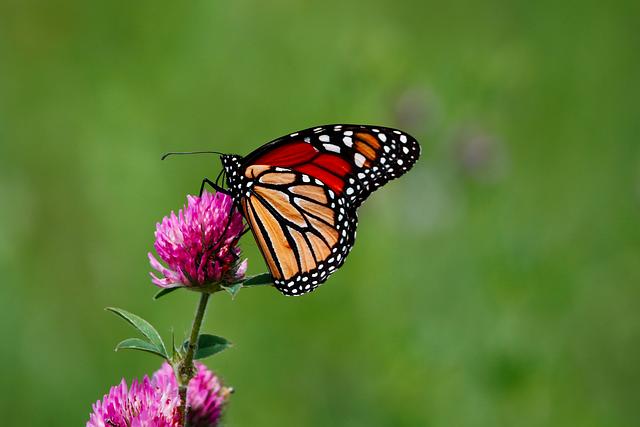
Monarch butterflies, the iconic orange and black pollinators known for their extraordinary migration, are once again making their way back to Phoenix. After years of decline due to habitat loss and environmental challenges, the Desert Botanical Garden is witnessing a hopeful resurgence of these delicate insects. In response, the Garden is launching community-driven initiatives aimed at supporting monarch populations and educating the public on how residents can contribute to this vital conservation effort. Here’s an inside look at the monarchs’ return and practical ways you can help ensure their survival.
Monarch Butterfly Migration Brings New Life to Phoenix This Season
The annual arrival of the monarch butterflies invigorates the Phoenix ecosystem, signaling a crucial phase of renewal and growth. These vibrant butterflies not only enhance local biodiversity but also play a vital role in pollinating native plants. Their journey from the north to Arizona’s desert landscape is a testament to nature’s resilience, making this season an excellent opportunity to observe and protect these delicate travelers. Experts at the Desert Botanical Garden emphasize the importance of habitat preservation to ensure these butterflies have the resources they need throughout their migration.
Community members can take active steps to support monarchs by participating in conservation efforts and creating butterfly-friendly environments at home. Key actions include:
- Planting native milkweed species, essential for monarch reproduction
- Maintaining nectar-rich flowering plants to sustain adult butterflies
- Reducing pesticide use that harms pollinators
| Plant Type | Purpose | Best Planting Time |
|---|---|---|
| Milkweed | Supports caterpillar development | Spring to early summer |
| Desert Marigold | Nectar source for adult butterflies | All year round |
| Bee Balm | Attracts diverse pollinators | Late spring |
Key Habitat Challenges Monarchs Face in Urban Environments
Urban settings present a complex array of obstacles that disrupt monarch butterfly survival and reproduction. One significant issue is the scarcity of native milkweed plants, which are crucial for monarchs to lay eggs and for caterpillars to feed. Although some urban gardens try to fill this gap, many are filled with ornamental plants that offer little support. Light pollution from street lamps and buildings can also disorient migrating monarchs, interfering with their natural navigation systems. Coupled with intense heat islands created by concrete and asphalt, these factors create an inhospitable environment that limits monarch populations in city centers.
Additionally, urban areas expose monarchs to heightened threats from chemical use and habitat fragmentation. Pesticides and herbicides prevalent in city landscaping not only kill milkweed but also poison butterflies at different life stages. Noise pollution and human activity can stress these delicate insects, reducing their reproductive success. Below is a quick overview of key challenges and their impacts:
| Challenge | Impact on Monarchs |
|---|---|
| Milkweed scarcity | Limits egg-laying sites and caterpillar food sources |
| Light pollution | Disorients migration patterns |
| Urban heat islands | Causes stress and dehydration |
| Pesticide exposure | Reduces survival at all life stages |
| Habitat fragmentation | Isolates populations and restricts movement |
Desert Botanical Garden’s Efforts to Restore Native Milkweed Populations
The Desert Botanical Garden has launched an ambitious initiative aimed at reviving native milkweed populations, a crucial food source for monarch butterflies during their migration to Phoenix. Recognizing the dramatic decline in milkweed habitats due to urban development and climate challenges, the Garden’s restoration efforts focus on cultivating local species such as Asclepias subulata and Asclepias tuberosa, ensuring genetic diversity and ecological resilience. These plants are carefully grown in their nursery and reintroduced into protected areas of the desert, promoting a sustainable environment where monarch caterpillars can thrive.
Community involvement remains central to this project’s success. Visitors and volunteers are encouraged to participate in scheduled planting days and educational workshops that highlight the importance of native flora in the monarch lifecycle. Simple actions you can take at home include:
- Planting native milkweed species to provide food and breeding grounds
- Reducing pesticide use to protect butterflies and other pollinators
- Sharing milkweed seeds with neighbors to expand habitat corridors
| Milkweed Species | Growth Habitat | Best Planting Time |
|---|---|---|
| Asclepias subulata | Desert wash and rocky slopes | Early Spring |
| Asclepias tuberosa | Dry plains and open spaces | Late Fall |
| Asclepias cryptoceras | Sandy soils and foothills | Mid Spring |
How Residents Can Create Monarch-Friendly Gardens at Home
Creating a haven for monarchs in your own backyard starts with planting native milkweed species, the sole food source for monarch caterpillars. Opt for varieties such as Asclepias subulata or Asclepias tuberosa, which thrive in Phoenix’s desert climate. Pair these with nectar-rich wildflowers like desert marigold, penstemon, and globe mallow to provide adult butterflies with essential nourishment. Avoid using pesticides or herbicides, which can be harmful to monarchs and other pollinators. Instead, encourage natural pest control by attracting beneficial insects and birds.
To maximize your garden’s impact on monarch conservation, consider creating features like shallow water sources or mud puddles, which offer hydration and minerals to butterflies. Here is a quick guideline to balance your monarch-friendly garden:
| Garden Element | Recommended Plants & Features | Benefits |
|---|---|---|
| Host Plants | Desert Milkweed, Butterfly Weed | Supports caterpillar growth |
| Nectar Plants | Desert Marigold, Penstemon | Feeds adult monarchs |
| Water Features | Shallow puddles, damp sand | Provides hydration and minerals |
| Chemical Use | None | Protects butterfly health |
Key Takeaways
As monarch butterflies make their return to the Phoenix area, efforts to support their migration and habitat restoration have never been more crucial. The Desert Botanical Garden’s initiatives offer residents and visitors alike practical ways to contribute, from planting native milkweed to participating in citizen science programs. By joining these conservation efforts, the community plays a vital role in ensuring that future generations can continue to witness the remarkable journey of these iconic pollinators. For more information and ways to get involved, visit the Desert Botanical Garden’s website and become a part of the movement to protect Arizona’s monarch butterflies.